Design Thinking and Innovation Metrics
Lewrick
Powerful tools to manage creativity, OKRs, product and business success.
The paradigm shift of design thinking
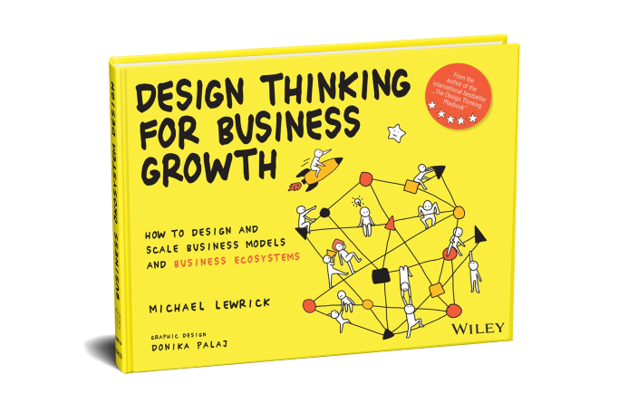
How to design and scale business models and business ecosystems. From the customer problem to the minimum viable ecosystem (MVE) and exponential growth, with 32 templates.
By Michael Lewrick · Visualisation by Donika Palaj · Wiley 2022 · also in German and French
The core shift
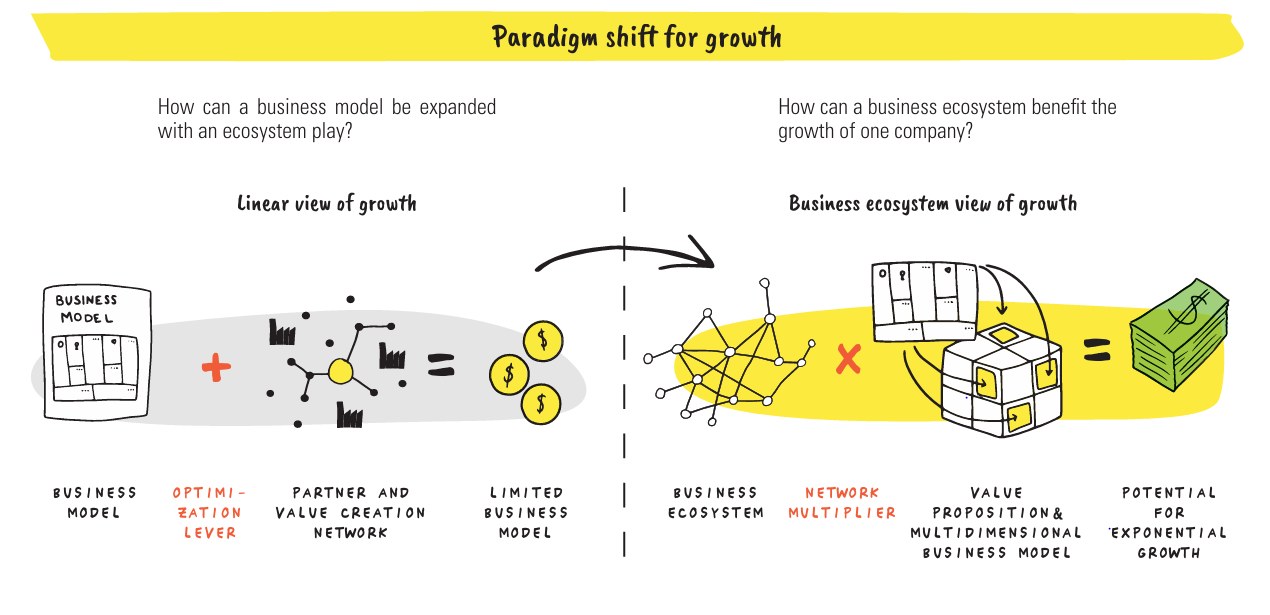
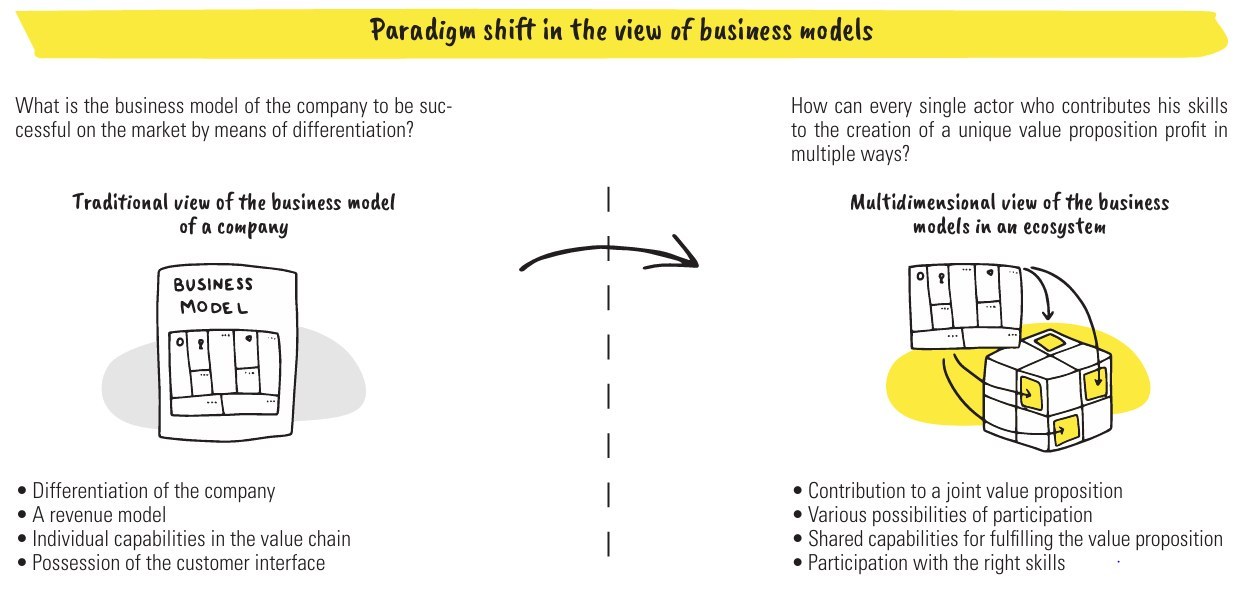
Design thinking started with one user and one product. Growth today comes from systems: several actors create one value proposition together that none of them could deliver alone. This book takes design thinking from the single business model to the ecosystem, and makes ecosystem design a discipline that teams can learn and apply.
Coined by Michael Lewrick
The MVP tests a product. Michael Lewrick coined the minimum viable ecosystem (MVE) to test what an MVP cannot: whether several actors, their value streams and their business models work together around one value proposition. An MVE starts with the smallest set of actors and minimum marketable features (MMFs), tests the key risks and only then decides on roles such as orchestrator or actor.
Relevance for agentic AI
With agentic AI, value is no longer created by one product, but by networks of AI agents, platforms, data and partners that act on behalf of customers. That is an ecosystem. The questions of this book become the questions of every AI agent strategy: who orchestrates, which roles do humans and agents play, which value streams of data and money flow, how is trust governed, and how can the interplay be tested in a minimum viable ecosystem before it scales.
Lessons from China and the US
The book analyses how ecosystems in China and the US grow: Ping An from insurer to an ecosystem of health, finance, mobility and housing; Alibaba and Alipay, Tencent and WeChat Pay; Amazon and Apple. Michael Lewrick’s work on ecosystem design has strongly influenced how companies in China and the US think about designing and scaling ecosystems, and it gives European companies the tools to play the same game.
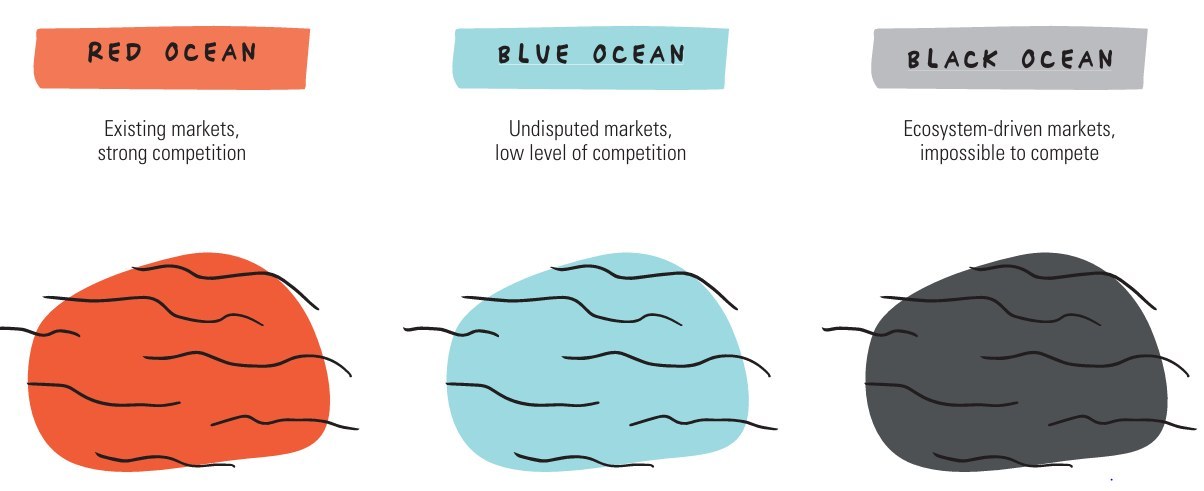
The structure
The book guides teams from ecosystem strategy through design thinking and lean start-up to ecosystem design and exponential growth. Each lens has its canvas and tools.
Where to play and how to win: vision, principles, initiatives, partners, PESTLE and configuration.
7 templatesFind the real customer problem and test solutions, from foresight to the final prototype.
13 templatesValidate with MVPs, build-measure-learn and pivots, and prepare the MVE.
3 templatesDesign the ecosystem: value proposition, actors, roles and value streams up to the MVE.
4 templatesExponential growth: network effects, community, data and scalable processes.
1 templateReflect and learn on the project and the meta level.
4 templatesTemplates
Every tool in the book comes with a template. A selection to start with:
“As a thought leader, Michael Lewrick has dealt intensively with the development of the design paradigm. His book meets the current zeitgeist and is the best definition of business ecosystem design that I have seen so far.”
Larry Leifer, Professor of Mechanical Engineering Design (ME310), Stanford University
Voices
“Many talk about the importance of designing good business ecosystems. This book shows you how.”
“This book not only helps to better understand business ecosystem design, it is also great visualization.”
The book
How to Design and Scale Business Models and Business Ecosystems. Five design lenses, the problem to growth and scale framework, the minimum viable ecosystem and 32 templates for teams and leaders.
Michael Lewrick · Visualisation by Donika Palaj · Wiley, 2022 · ISBN 978-1-119-81515-0. German edition: Business Ökosystem Design (Vahlen). French edition: Design thinking & croissance (Pearson France).
The author
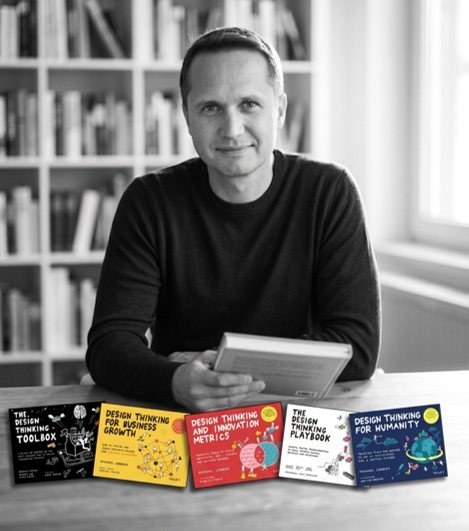
Author, keynote speaker and facilitator, Vaduz, Liechtenstein
Michael Lewrick is the lead author of the Wiley design thinking series, including The Design Thinking Playbook, The Design Thinking Toolbox, Design Thinking and Innovation Metrics and Design Thinking for Humanity. The books have reached more than 3 million readers in over 25 languages.
He coined the term minimum viable ecosystem (MVE) and made business ecosystem design a discipline of its own. He was Chief Innovation Officer at Swisscom and head of the innovation labs at Deloitte, is a visiting professor at the University of Liechtenstein and leads Lewrick & Company in Vaduz, where he helps leadership teams design ecosystems and AI agents with guardrails.
Work with Michael Lewrick
Business ecosystems, the MVE, black ocean strategies and AI agents for leadership teams and conferences.
lewrick.chApplyEcosystem strategy, ecosystem design sprints and MVE labs with your teams and partners.
lewrick.chBuildEcosystem design capabilities, governance and agentic AI for the whole organisation.
lewrick.chThe series
The Wiley design thinking series: more than 3 million readers in over 25 languages.
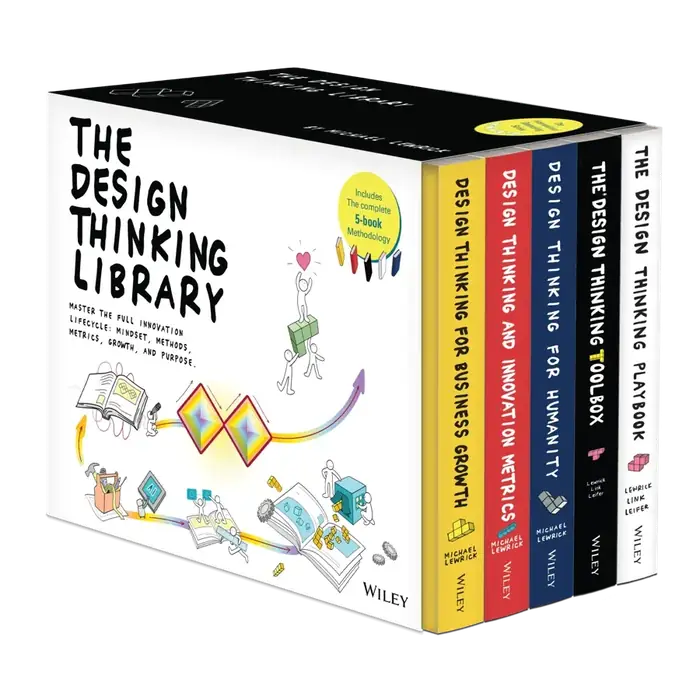
New
Five books in one box: mindset, methods, metrics, growth and purpose. The complete methodology for the full innovation lifecycle.
Lewrick
Powerful tools to manage creativity, OKRs, product and business success.
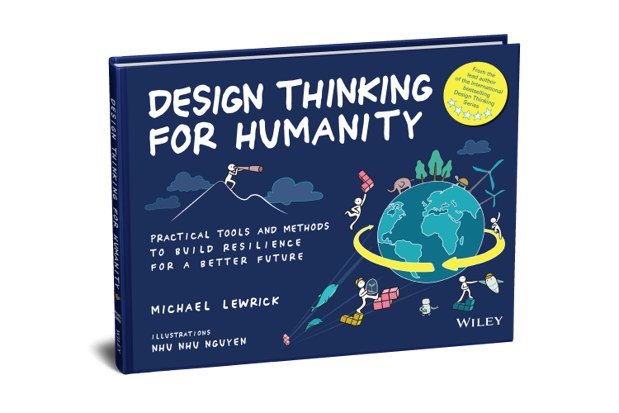
Lewrick
Practical tools and methods to build resilience for a better future.
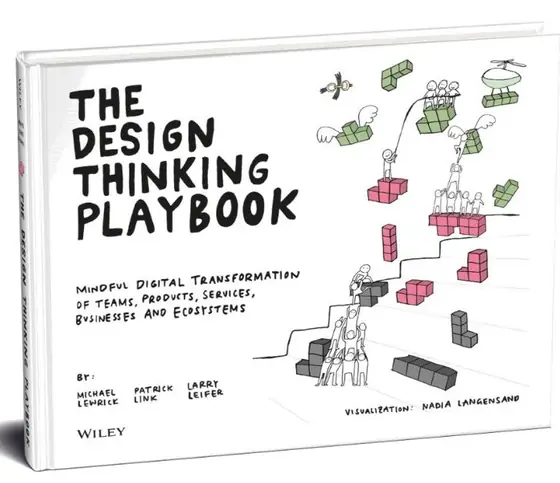
Lewrick · Link · Leifer
Mindful digital transformation of teams, products, services, businesses and ecosystems.
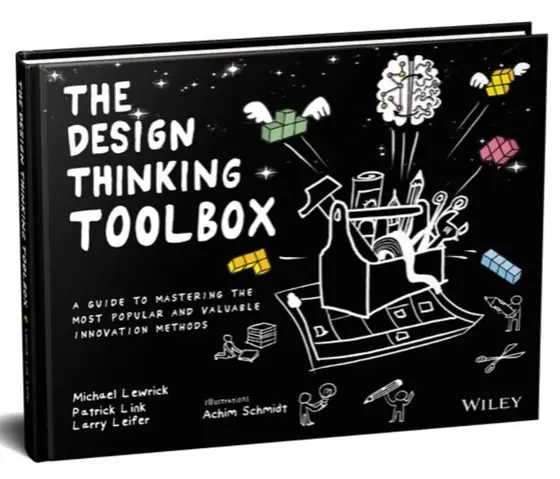
Lewrick · Link · Leifer
A guide to mastering the most popular and valuable innovation methods.
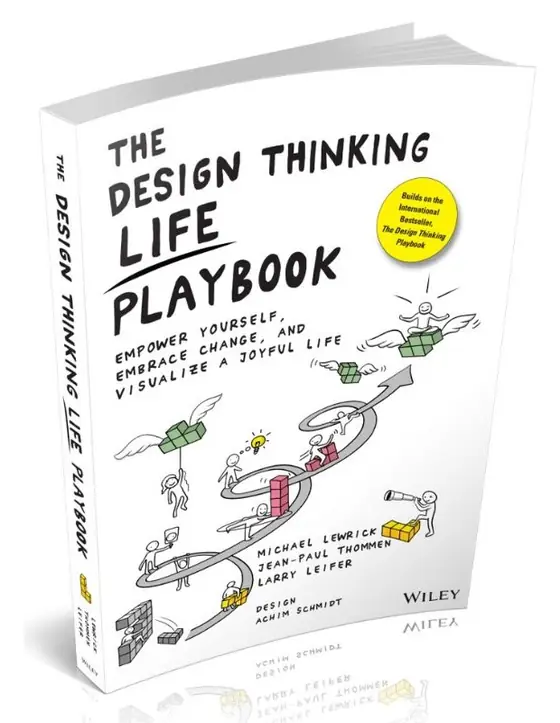
Lewrick · Thommen · Leifer
Empower yourself, embrace change and visualize a joyful life.
Questions
Business ecosystem design is the design of new, unique offers that several actors in a system make available to the customer together. It answers who the potential partners are, which roles they play, which skills they bring and how value streams and business models fit together.
The MVE, a term coined by Michael Lewrick, is the smallest version of an ecosystem that can test the joint value proposition: a minimum set of actors, value streams and minimum marketable features. It reduces the ecosystem risk before roles are taken and capital is committed.
AI agents create value in networks of agents, platforms, data and partners, which is an ecosystem. The book gives the tools to define roles, value streams, governance and an MVE for these networks.
All 32 templates are listed on the templates page, in English, German and French. The links printed in the books, such as business-ecosystem-design.com/strategy or /fr/strategy, lead directly to the right template. The premium set is available in the dt-toolbook shop.
Yes. Keynotes, workshops and capability programmes are described on lewrick.ch. Or write directly to info@lewrick.ch.